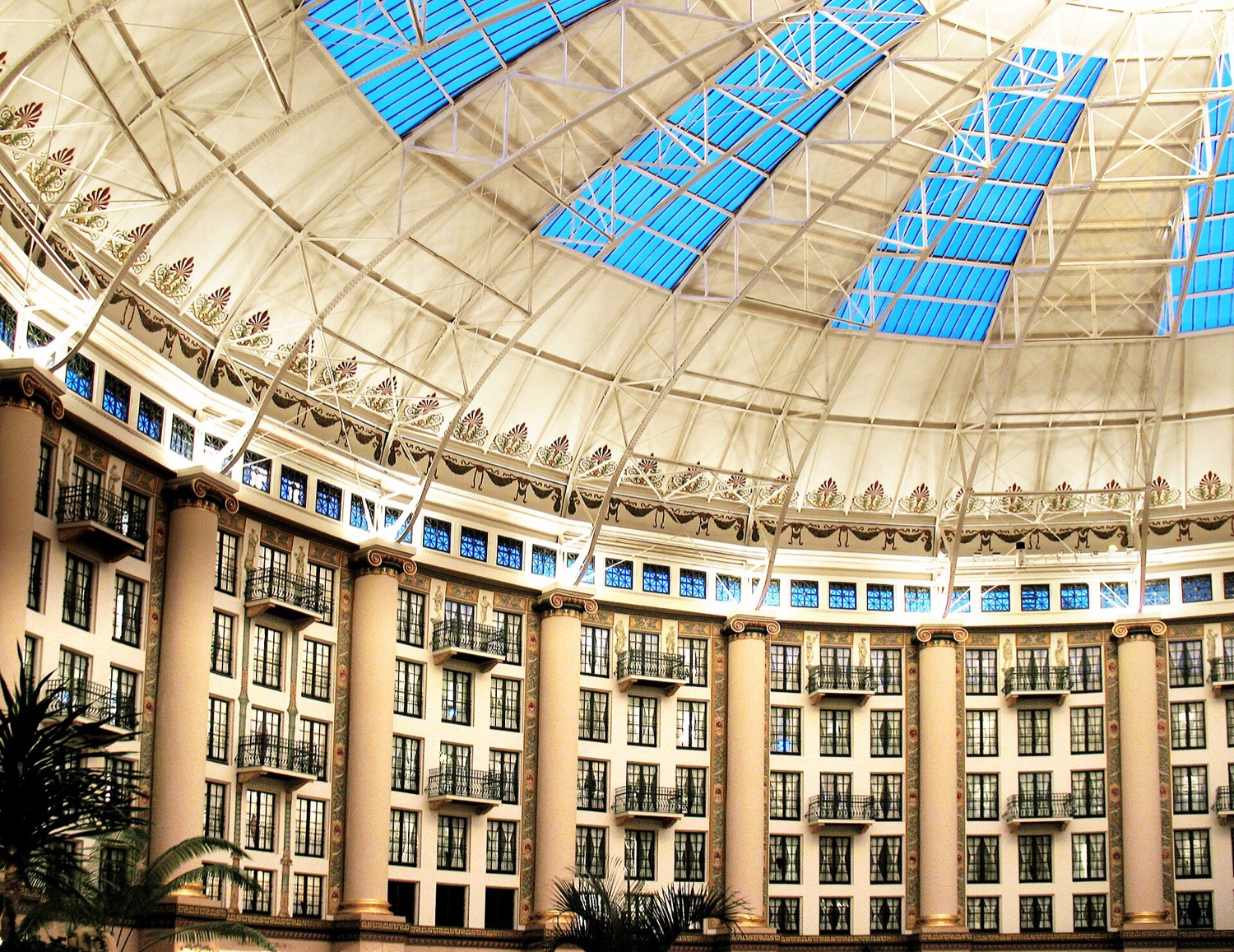
The Old Post Office is one of America's best-known conversions of a historic public building into a luxury hotel. In places where the law allows it, the next step has often been a casino. Some of the world's most beautiful gaming rooms are in buildings that were never designed for them.
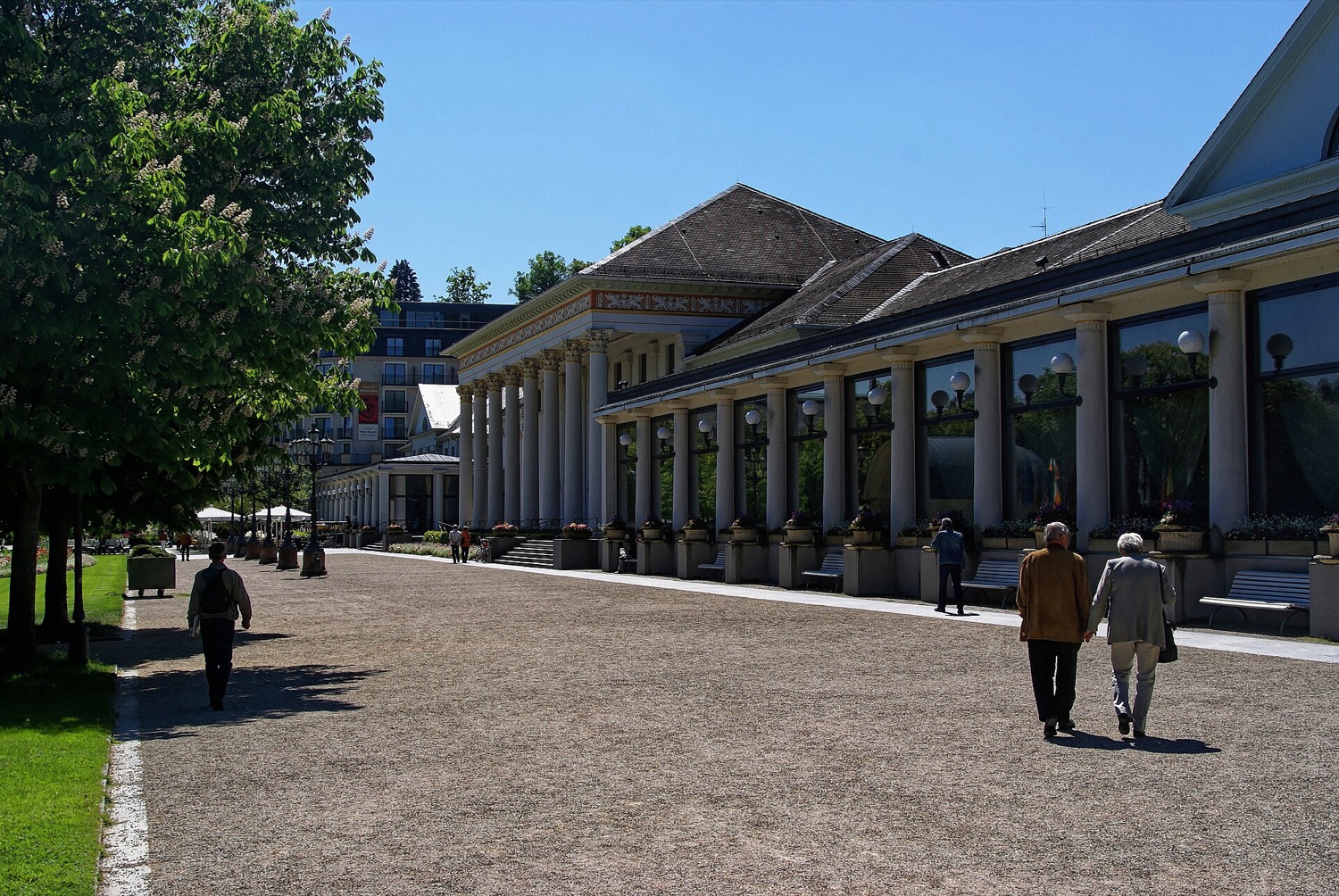
The Kurhaus, Baden-Baden
The spa town of Baden-Baden in Germany's Black Forest built its Kurhaus, or spa house, in the 1820s to designs by Friedrich Weinbrenner. Gambling rooms followed, and by the mid-nineteenth century they were decorated in the style of French royal palaces and drew aristocrats from all over Europe. The casino still operates in the same rooms and is often described as one of the most beautiful in the world. It is a reminder that "casino resort" was a European idea long before Las Vegas.
Haddon Hall, Atlantic City
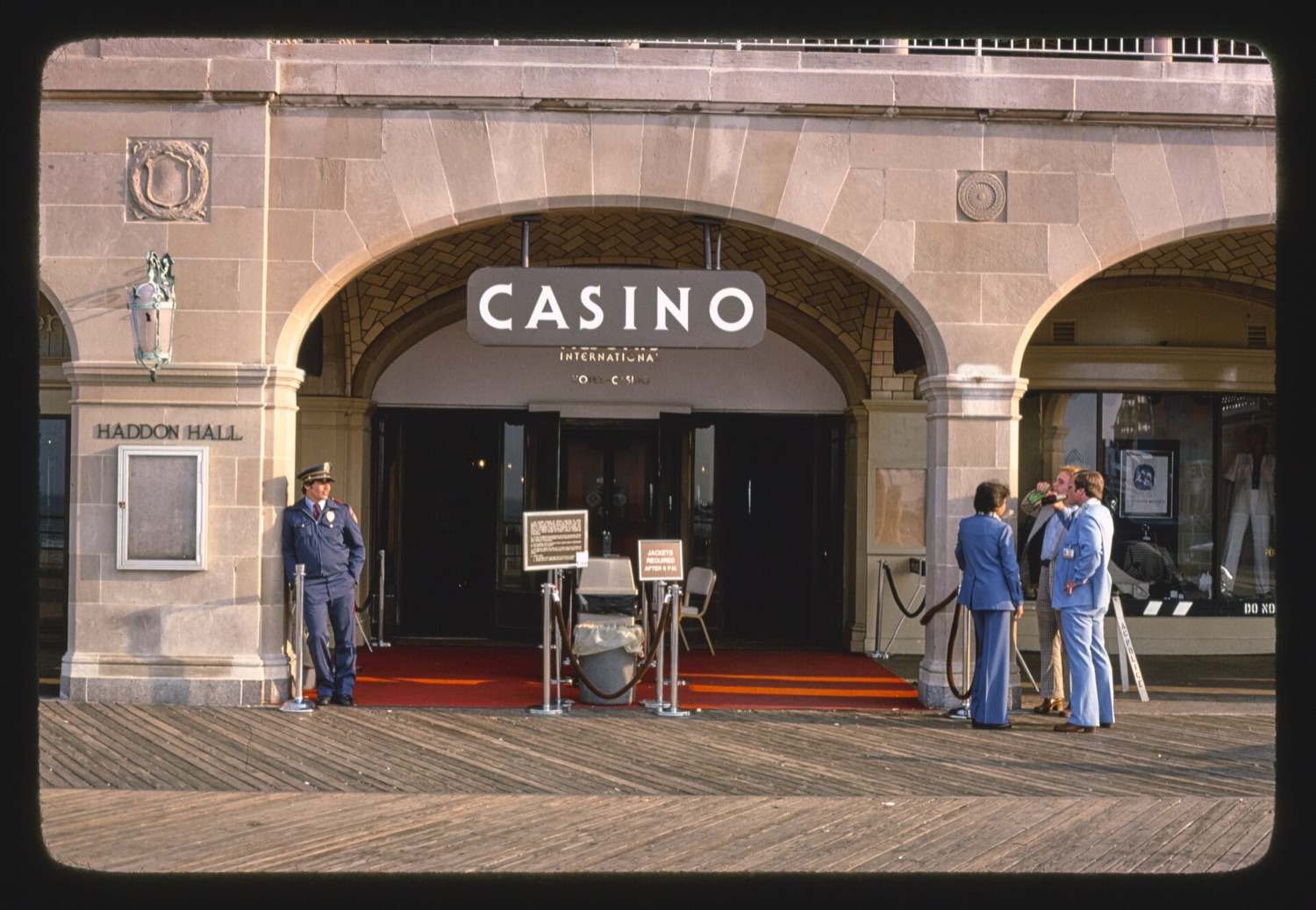
Atlantic City's first legal casino opened in May 1978 in Chalfonte-Haddon Hall, a grand Boardwalk hotel whose brick wings dated from the 1920s. Resorts International converted it rather than building new, which let New Jersey open its casino era quickly. Today it is Resorts Casino Hotel, and the old hotel building is still visible within it. Atlantic City's later towers, including Trump's three casinos, were purpose-built.
West Baden Springs and French Lick, Indiana
In southern Indiana two rival spa hotels once drew wealthy guests to drink mineral water and gamble in illegal back rooms. The West Baden Springs Hotel, opened in 1902, has a vast domed atrium that was once called the largest free-spanning dome in the world. After decades of decline both hotels were restored, and a licensed casino opened at French Lick in 2006, a short shuttle ride from both historic hotels. It is one of the most complete examples of historic preservation paid for by gaming.
Deadwood, South Dakota
Deadwood's gold-rush main street became a National Historic Landmark district, and in 1989 South Dakota allowed limited-stakes gaming there specifically to pay for preservation. Old hotels such as the Bullock, built by the town's first sheriff in the 1890s, now have gaming rooms on their ground floors, and part of the gaming tax funds the restoration of historic buildings.
Comparing the conversions
| Building | Original use | Gaming since |
|---|---|---|
| Kurhaus, Baden-Baden | Spa house, 1820s | 19th century |
| Chalfonte-Haddon Hall, Atlantic City | Boardwalk hotel | 1978 |
| Bullock Hotel, Deadwood | Frontier hotel, 1890s | 1989 onwards |
| French Lick and West Baden Springs, Indiana | Spa hotels | 2006 (casino at French Lick) |
| Old Post Office, Washington | Federal offices, 1899 | None: DC licenses no casinos |
Why the Old Post Office stayed casino-free
The building had the right ingredients: a dramatic atrium, a historic name and a luxury operator. What it lacked was a legal route. The District does not license casinos, and federal property makes an unlikely candidate in any case. The nearest gaming is across the river at National Harbor; see Washington DC and gambling. For the architect who gave the Old Post Office its look, and his brother who designed one of the West's great hotels, read our Edbrooke profile.