The old site at this address followed the redevelopment of the Old Post Office as it happened, from the 2008 Act of Congress to the selection of a developer. This page keeps those milestones and carries the story forward to the hotel years and the 2026 sale of the building.
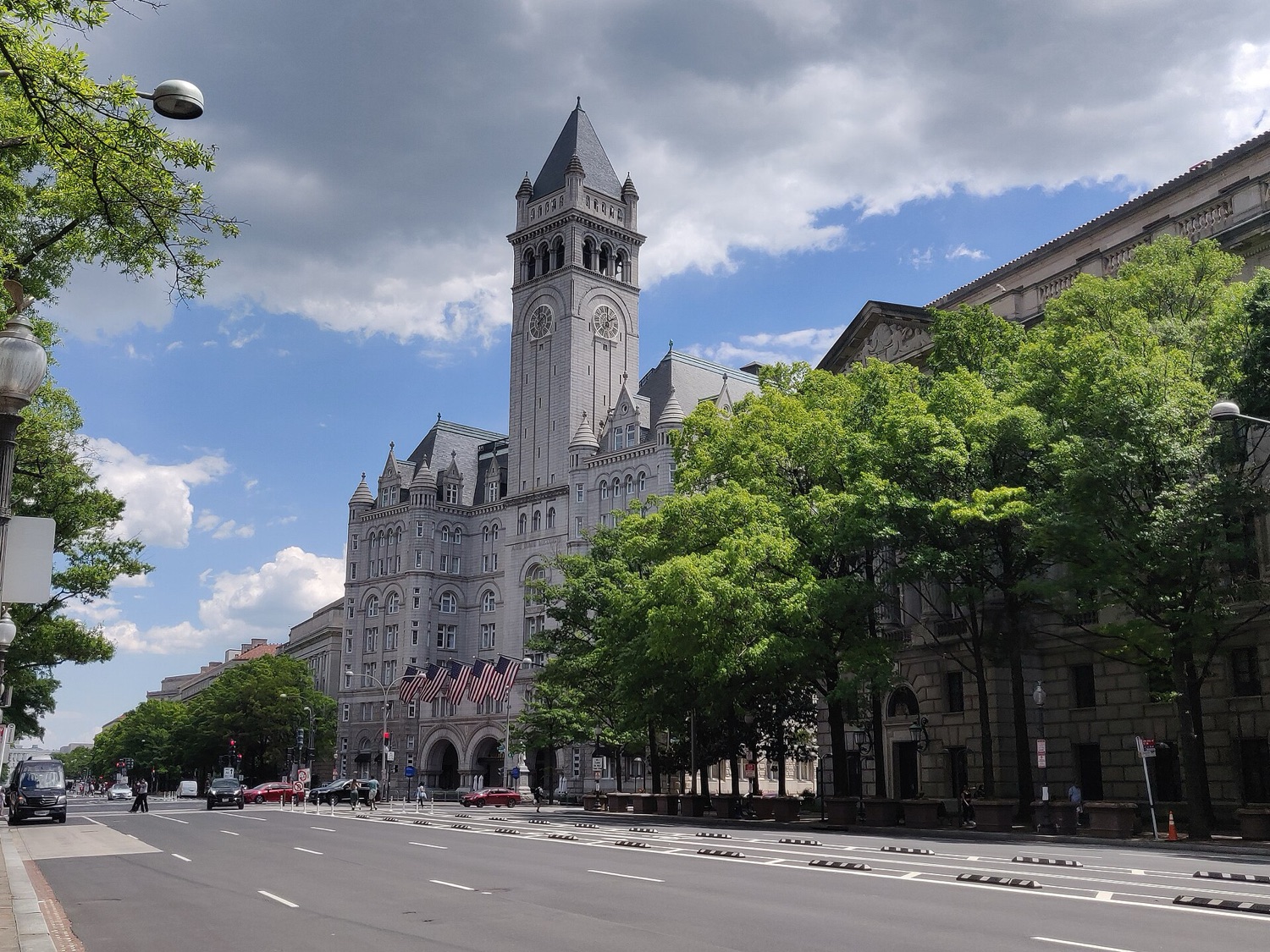
Why redevelop at all?
By the 2000s the Old Post Office was a beloved landmark but an awkward federal asset. Its offices were expensive to run, and the Pavilion food court and shops on the lower floors had faded. The redevelopment programme set out a handful of goals that explain everything that followed:
- to use the expertise of the real estate industry to reposition the Old Post Office as a viable asset;
- to preserve the historic integrity of a unique and important building;
- to put the building to its highest and best use;
- to provide a financial return to the government;
- to keep public access, especially to the clock tower;
- to contribute to the vitality of Pennsylvania Avenue and the Federal Triangle.
The legal basis was the Old Post Office Building Redevelopment Act of 2008 (Public Law 110-359, H.R. 5001), together with Section 111 of the National Historic Preservation Act of 1966, which allows federal agencies to lease historic properties listed in the National Register. In other words, the government kept ownership and leased the building to a private partner who would restore and run it.
Milestones
- October 8, 2008The Old Post Office Building Redevelopment Act becomes law and directs the General Services Administration (GSA) to proceed with redeveloping the building, including the Pavilion Annex.
- March 24, 2011GSA issues a request for proposals (RFP) for the redevelopment of the building, its land and the Pavilion Annex.
- February 7, 2012GSA names the Trump Organization the preferred developer, with a plan to convert the building into a luxury hotel and conference centre.
- May 2012 to November 2013Consultation meetings under Section 106 of the National Historic Preservation Act review the design with preservation agencies and consulting parties. See Section 106 explained.
- May 2013The Final Environmental Assessment and a Finding of No Significant Impact are published for a 30-day public review, and a Programmatic Agreement on the building's preservation is signed on May 23. See NEPA explained.
- 2013A long-term ground lease is signed, widely reported as a 60-year lease with options to extend.
- 2014Construction begins; a groundbreaking ceremony is held in the summer. The Pavilion shops and food court close for good.
- 2016The Trump International Hotel opens in September, with a formal opening in late October, after a renovation reported at around $200 million.
- 2017 to 2020The lease becomes the subject of lawsuits and congressional scrutiny connected with the presidency; the hotel keeps operating throughout.
- 2019The Trump Organization says it is exploring a sale of the lease.
- May 2022CGI Merchant Group acquires the lease in a deal reported at $375 million, with GSA approval.
- June 2022The hotel reopens as the Waldorf Astoria Washington DC, managed by Hilton.
- August 2024After a loan default, the leasehold passes to the lender, BDT & MSD Partners, at a foreclosure auction reported at about $100 million. Hilton continues to run the hotel.
- October 1, 2025The National Park Service closes the Old Post Office Tower to the public while GSA works out the building's future ownership and management.
- June 10, 2026GSA announces the sale of the building and land to the leaseholder, BDT & MSD Partners, with a preservation covenant and, in GSA's words, permanently secured public access to the clock tower. The price was not announced by GSA; press reports put it at around $80 million.
- July 2026The clock tower reopens to visitors, now run by the hotel rather than the National Park Service, with free admission on a limited weekly schedule, according to local press reports.
What stayed the same
Through every change of name and owner, the core bargain set in 2008 to 2013 held: the exterior, the light court and the public artworks were protected, and the clock tower was meant to remain open to visitors. After a closure of about nine months the tower reopened in July 2026, now operated by the hotel. Our guide to visiting the clock tower has the details.
Dates before 2014 follow the redevelopment programme's own public announcements; later events follow press reports and are rounded where figures were reported rather than announced.