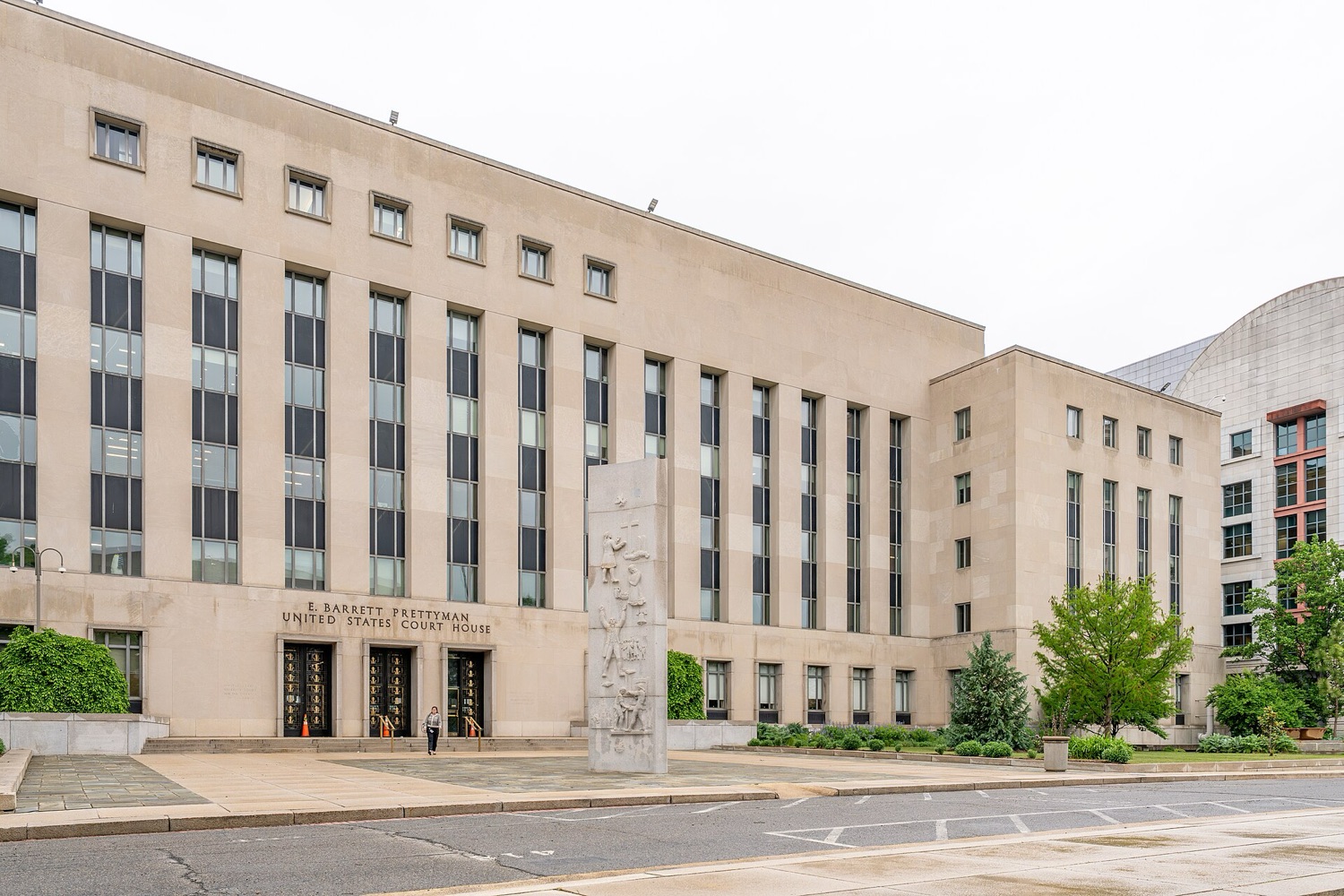
Washington is where elections end up: in the Capitol, in the White House and, increasingly, in court. It is also where the modern legal fight over betting on American elections was decided, a few blocks from the Old Post Office.
A long tradition
Betting on elections is as old as American elections. In the late nineteenth and early twentieth centuries, large and fairly open markets in presidential election bets operated around Wall Street, run by brokers and commissioners who published odds that newspapers reported as news. Economic historians who have studied them have found that the odds were often a good guide to the result. The markets faded after the 1930s, as state anti-gambling laws tightened and opinion polling offered another way to forecast.
Academic and experimental markets
Election trading returned in a small, academic form in 1988 with the Iowa Electronic Markets, run by the University of Iowa with permission from the Commodity Futures Trading Commission (CFTC) and strict limits on how much each trader could stake. In 2014 PredictIt, a project associated with Victoria University of Wellington in New Zealand, opened with similar limits under a CFTC no-action letter. The agency later moved to withdraw that relief, which led to litigation; PredictIt has continued to operate while the dispute played out.
The 2024 turning point
Kalshi, an exchange regulated by the CFTC, asked permission in 2023 to list contracts on which party would control Congress. The CFTC refused, arguing that such contracts amounted to gaming on elections and were contrary to the public interest. Kalshi sued, and in September 2024 a federal judge in Washington, at the E. Barrett Prettyman Courthouse on Constitution Avenue, ruled in its favour. Election contracts were listed weeks before the 2024 election. The CFTC appealed, then dropped the appeal in 2025.
Election markets at a glance
- Iowa Electronic Markets
- Academic market since 1988, small stakes
- PredictIt
- Opened 2014 with stake limits
- Kalshi
- CFTC-regulated exchange; listed election contracts after a 2024 court ruling
- Polymarket
- Large crypto-based market; settled with the CFTC in 2022 and restricted U.S. users, then moved to re-enter the U.S. market in 2025
- U.S. sportsbooks
- State-licensed sportsbooks generally may not take election bets
Is it gambling?
That is the heart of the argument. Supporters say prediction markets are financial instruments that aggregate information and can forecast better than polls. Critics worry about manipulation, about money flowing into political outcomes and about blurring the line between investing and betting. Several state gaming regulators have also challenged exchanges that offer sports contracts. The law is still moving, and the rules differ from state to state.
Elsewhere in the world
In the United Kingdom and Ireland, licensed bookmakers have long offered odds on elections, including American ones. Political betting there is routine, regulated like any other wager.
The Washington connection
The CFTC is headquartered in Washington, the decisive ruling came from a Washington courthouse, and the outcomes traded on these markets are decided along Pennsylvania Avenue. The Old Post Office itself, as a hotel favoured by political visitors, briefly became a place where people talked about such odds over dinner. For the city's regular gambling scene, see Washington DC and gambling.