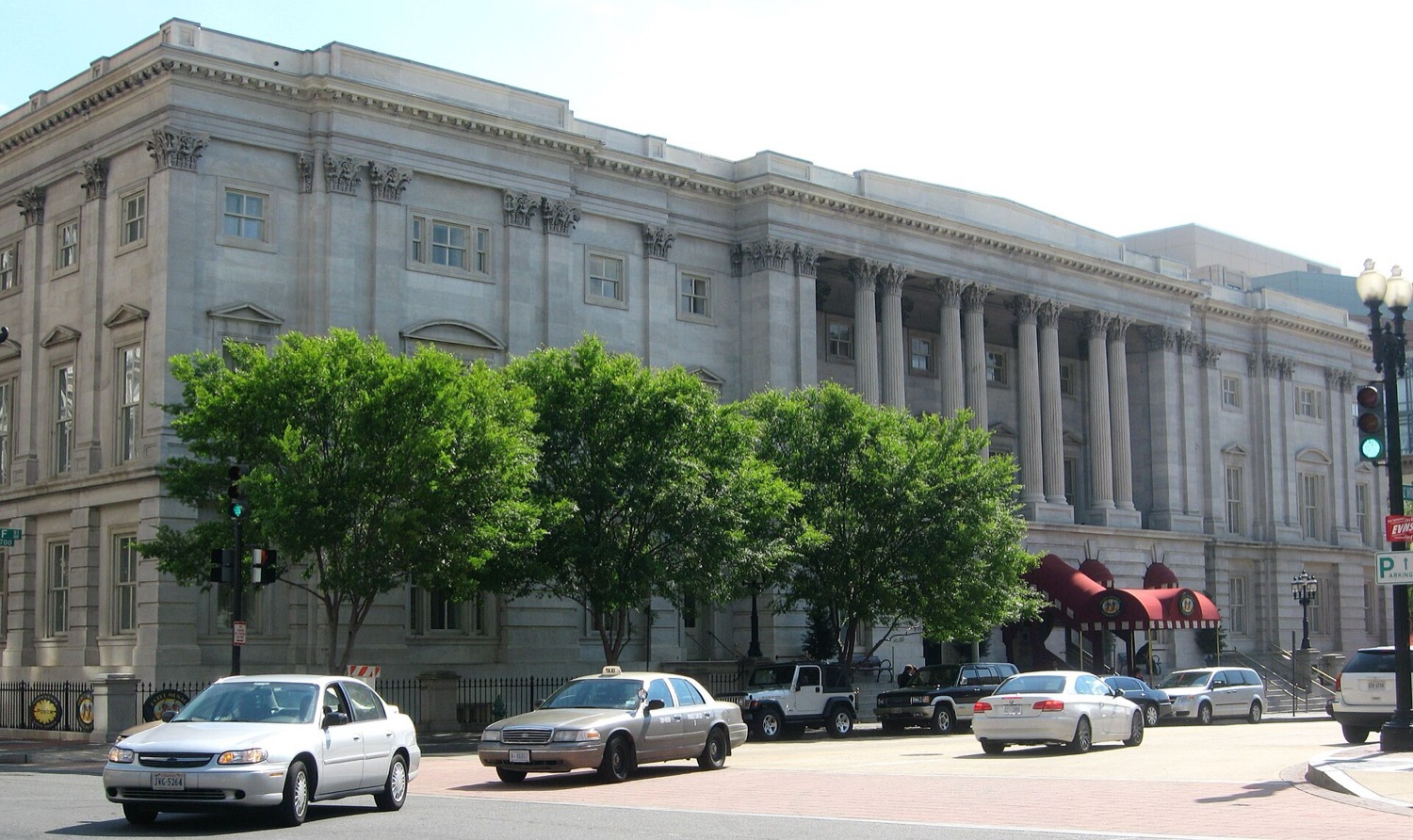
The Old Post Office was paid for by Congress. Its predecessor was not. Washington's first post office building began life as the grand prize in a lottery, part of a long American tradition of raising money for public works by selling tickets.
Lotteries in early America
Before income taxes and municipal bonds, lotteries were one of the few ways to raise large sums quickly. The Virginia Company used them to support Jamestown, and colonial lotteries helped fund roads, bridges, churches and colleges, including Harvard, Yale, Columbia and Princeton. In 1776 the Continental Congress authorised a national lottery to help finance the Revolutionary War. George Washington himself bought tickets and, in 1768, managed the Mountain Road Lottery to build a road through the Virginia mountains.
The Federal City lottery of 1793
The new capital on the Potomac was short of money from the start. In 1793 the speculator Samuel Blodget, working with the commissioners of the federal city, launched a lottery to fund improvements there. Its first prize was a grand hotel valued at $50,000, its design generally attributed to James Hoban, the architect of the White House. Construction of Blodget's Hotel began near 8th and E Streets NW, but the lottery and a second one that followed went badly wrong. Prizes went unpaid, lawsuits followed, and Blodget was ruined. He died impoverished in 1814.
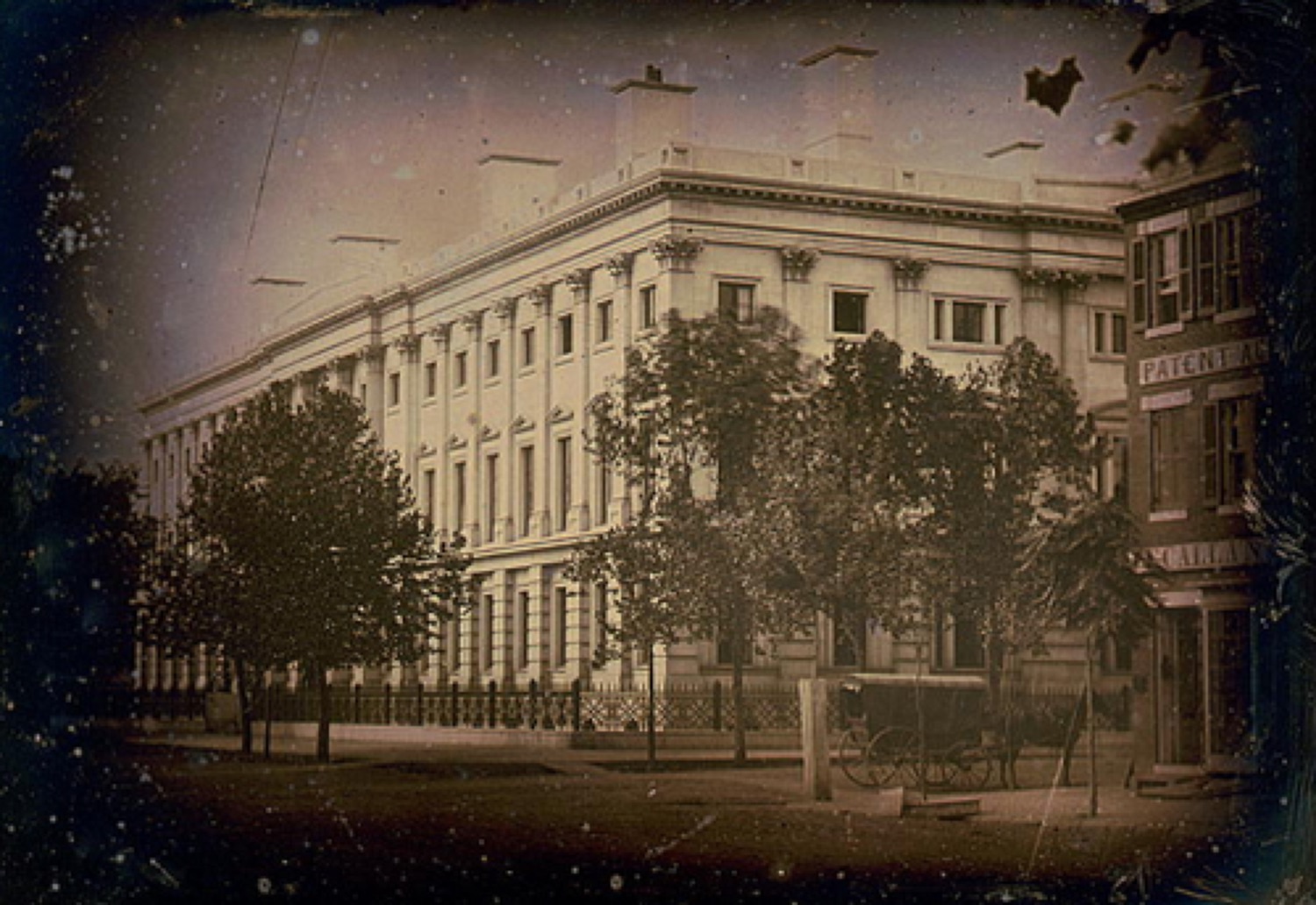
From lottery prize to post office
The unfinished hotel had a remarkable second life. In 1810 the federal government bought it to house the Post Office Department, the city post office and the Patent Office. When British troops burned Washington in 1814, the superintendent of patents, William Thornton, is said to have persuaded them to spare it, and Congress met there for a time while the Capitol was repaired. The building burned in December 1836. Its replacement on the same block was the marble General Post Office designed by Robert Mills, the department's home until it moved to the building we now call the Old Post Office in 1899. The Mills building is now a hotel.
Congress and the "National Lottery"
The city's 1812 charter allowed it to hold lotteries for important improvements. Tickets in this "National Lottery" were sold far beyond Washington, and when two brothers named Cohen were prosecuted for selling them in Norfolk, Virginia, the case reached the Supreme Court as Cohens v. Virginia (1821), a landmark decision on the Court's power to review state court judgments. Scandals over lotteries in Washington and elsewhere helped turn opinion against them, and by the late nineteenth century most states had banned them.
The Post Office strikes back
The last great lottery of the era, the Louisiana State Lottery, sold tickets nationwide by mail. Congress responded in 1890 by barring lottery material from the mail and in 1895 by banning interstate lottery traffic. Enforcing those laws fell largely to the Post Office Department, whose new headquarters was rising on Pennsylvania Avenue at the time. More on the building's postal years is in Flag Day and the dead letters.
Lotteries and the capital
- 1793
- Federal City lottery offers Blodget's Hotel as first prize
- 1810
- Government buys the hotel for the Post Office and Patent Office
- 1812
- City charter allows lotteries for public improvements
- 1821
- Cohens v. Virginia, a case about DC lottery tickets, decided
- 1836
- Blodget's Hotel burns; the General Post Office rises in its place
- 1890 and 1895
- Congress bars lotteries from the mail and interstate commerce
- 1982
- The modern DC Lottery sells its first tickets
The modern comeback
New Hampshire revived the state lottery in 1964, and today most states, including the District since 1982, run one. Lottery revenue still funds public budgets, much as Blodget promised in 1793. The difference is that the modern DC Lottery pays its winners. See Washington DC and gambling for the present-day picture.